Key takeaways
- Mesh bags are the best way to store onions and garlic because air moves freely around every bulb.
- Cure first: dry bulbs with tight necks store for months; uncured bulbs rot in any bag.
- Onions and garlic want cold and dry (commercially about 32–35°F / 0–2°C at 65–70% RH); potatoes want cool, humid and dark — store them apart.
- Fill bags about three-quarters, stack with air gaps and keep them out of sun.
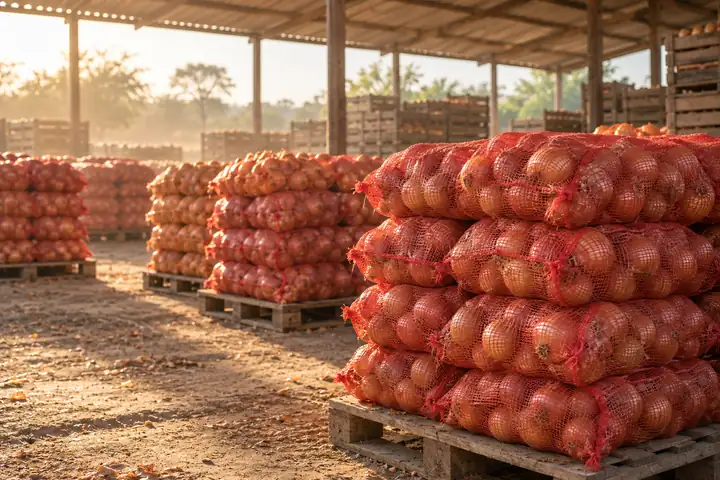
Mesh bags are the best way to store onions and garlic, because the open weave lets air move around every bulb and carry away moisture — the main cause of rot and mould. The bag only works if the bulbs go in properly cured and the bags are kept cool, dry and ventilated. Potatoes are the exception: they need humid, dark conditions, so they should not share a store or a bag with onions.
This guide is about storage practice — curing, conditions, filling and stacking. For bag sizes, weights and colors for packing lines, see leno mesh bags for onions and potatoes; for an overview of mesh bag types, see our mesh bags guide.
Why mesh bags for onion storage work
Onions and garlic are dormant bulbs with papery outer skins. They keep well when:
- The skin stays dry. Moisture on skins invites neck rot and black mould.
- Air circulates. Respiration releases heat and moisture that must escape.
- Bulbs are not crushed. Bruises become entry points for rot.
Mesh onion bags meet all three conditions. Solid woven sacks or plastic bags trap humidity; crates work but use more space per tonne. Mesh bags also let you see sprouting or soft bulbs without opening the bag.
Step 1: Cure before you bag
Curing is the step most storage problems trace back to. It dries the neck and outer skins so the bulb seals itself.
| Crop | Curing conditions | Typical duration | Ready when |
|---|---|---|---|
| Bulb onions | Warm, dry, airy; in the field in windrows or under cover; about 75–90°F (24–32°C) if forced-air curing | Roughly 2–3 weeks in the field, less with forced air | Necks are tight and dry, outer skins rustle |
| Garlic | Shaded, dry and very airy, hung or on racks; avoid direct sun | Roughly 2–4 weeks | Outer wrappers papery, stems dry and stiff |
After curing, trim onion tops to about 1 in (2–3 cm) and roots close to the base. Garlic can be trimmed or left braided. Sort out bulbs with thick necks, bruises or soft spots — they will not keep and can spread rot through a bag.
Step 2: Know the right storage conditions
Onions, garlic and potatoes are often grouped together, but their needs differ sharply:
| Crop | Temperature | Relative humidity | Light | Typical commercial storage life |
|---|---|---|---|---|
| Dry bulb onions | 32–35°F (0–2°C) | 65–70% | Dark preferred | About 1–8 months, depending heavily on variety |
| Garlic | 30–32°F (−1 to 0°C) | 60–70% | Dark | About 6–7 months |
| Potatoes (table stock) | 45–50°F (7–10°C) | 90–95% | Dark essential | Several months, variety-dependent |
These are typical commercial targets; check guidance for your varieties and climate.
At home or on a small farm without refrigeration, the practical rule is: onions and garlic cool, dry and dark; potatoes cool, humid and dark. An unheated room or garage that stays above freezing usually suits onions and garlic. Sweet, mild onions have much shorter storage lives than pungent storage types, so use them first.
One caution for garlic: storing it in the 40–50°F (4–10°C) range for long periods tends to trigger sprouting. Either keep it near freezing or at a dry room temperature for shorter storage.
Step 3: Fill and close the bags correctly
How you fill a mesh bag matters as much as which bag you choose:
- Fill to about three-quarters of the bag length. Overfilled bags compress the bottom bulbs and restrict airflow through the middle.
- Do not exceed the rated fill weight for the bag. A 25 kg onion bag filled to 30 kg will tear at handling.
- Smaller bags for long storage. For home or farm-stand storage, 5–10 kg bags breathe better than 25–50 kg sacks; Plastic PP Woven Mesh Bags Drawstring for Potatoes Onions are a common choice.
- Close with the drawstring or a tie — not tape, which can trap moisture at the neck.
- Label each bag with variety, field and date so you can sell or use the oldest first.
Mesh bags for garlic storage
For garlic, small mesh bags of 1–5 kg work best. Hang them from rafters or racks rather than stacking, so every bag has air on all sides. Fine-mesh bags hold loose cloves and small bulbs; braided garlic can simply be hung.
Step 4: Stack onion sacks for airflow
In commercial stores, onion sacks are stacked on pallets or in ventilated bays. Good practice:
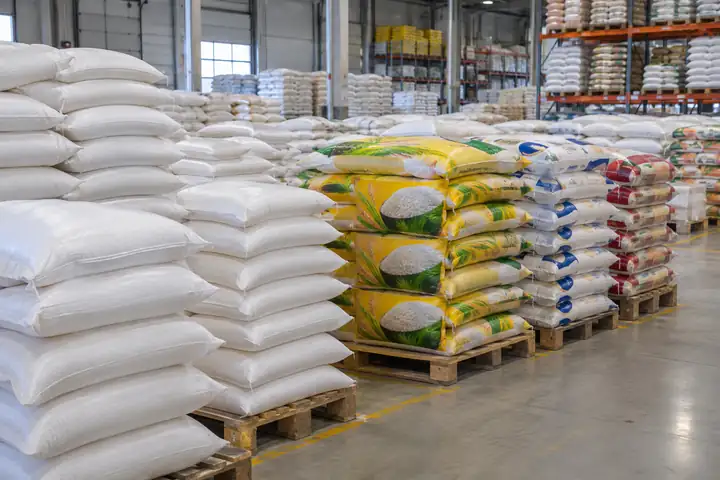
- Pallet everything. Keep bags off concrete, which draws condensation.
- Stack in a stable pattern — interlocking layers on the pallet — but not so tight that air cannot pass.
- Leave gaps of around 4–6 in (10–15 cm) between pallet stacks and walls so ventilation air can circulate.
- Limit stack height to what the bags and bottom bulbs tolerate; bottom bulbs bruise under excessive weight.
- Keep out of sun. UV degrades unstabilised polypropylene and warms the bulbs. Sun-exposed onions can also scald.
- Ventilate. In passive stores, ventilate at night when outside air is cooler and drier.
| Fill weight | Typical bag (W × L) | Bags per tonne | Notes |
|---|---|---|---|
| 10 kg | 40 × 60 cm (16 × 24 in) | 100 | Good for farm stands and garlic |
| 20 kg | 45 × 75 cm (18 × 30 in) | 50 | Common domestic wholesale size |
| 25 kg | 50 × 80 cm (20 × 32 in) | 40 | Standard export onion sack |
| 50 kg | 60 × 90 cm (24 × 36 in) | 20 | Bulk trade; heavier to handle manually |
Should you store potatoes and onions together?
No — even though potato onion bags are often the same product. The same leno sack can carry either crop to market, but storage is a different story:
- Onions want dry air; potatoes want humid air. In a shared store, one or both are in the wrong conditions.
- Onions stored next to potatoes often take up moisture and sprout or soften faster.
- Potatoes must be kept dark; onions tolerate some light.
Mesh bags for potato storage work well for short periods and in dark rooms, but long storage of potatoes is better in paper, burlap or woven sacks that block light. See our potato sacks guide for potato-specific storage.
Choosing onion bags for sale or storage
When buying onion bags for your own crop or for resale, think about storage as well as packing:
- Bag weight: heavier bags (more grams per bag) survive long storage and repeated handling. Specify the gram weight when comparing quotes.
- UV stabilisation: essential if bags will sit in a field or open-sided shed.
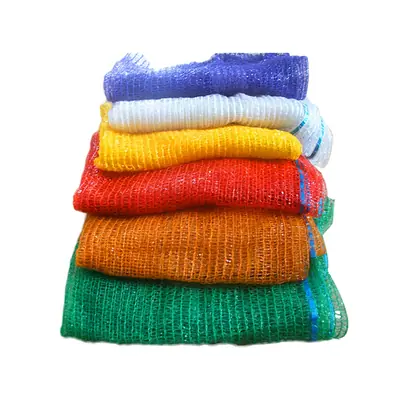
- Color: red mesh suits red and yellow onions; white or purple for garlic.
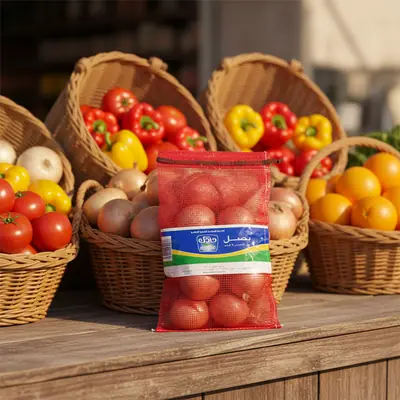
- Labels: a printed label strip or tag carries brand, weight and origin — useful for traceability through storage.
- Drawstrings: speed closing and reopening for inspection.
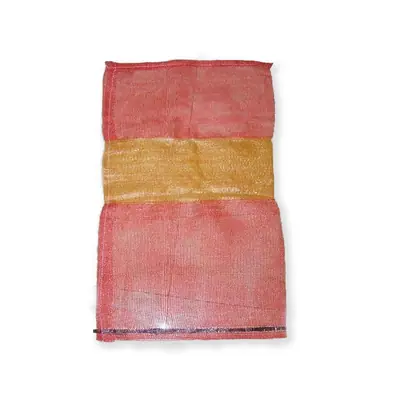
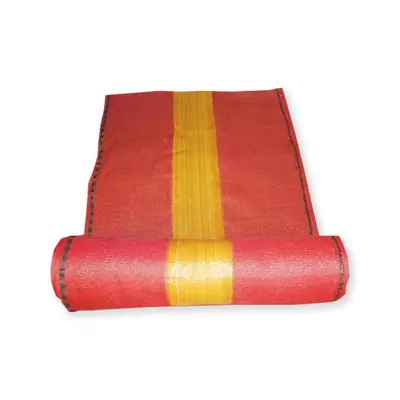
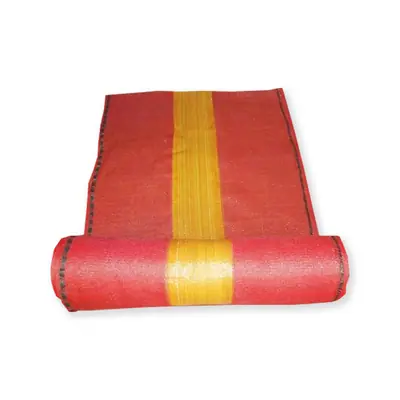
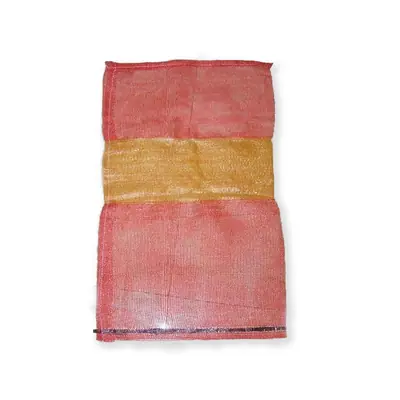
Our 20kg 25kg 50kg Red Mesh Woven Polypropylene PP Leno Bag is the standard red onion sack; for branded bags, the Custom Logo Potato Onion Bags 20kg 25kg PP Plastic Woven carries a printed label.
EGP manufactures mesh onion bags and potato onion bags in Yantai, Shandong, with 24 years as an Alibaba.com supplier and a 4.9/5 store rating. Browse Mesh & Leno Bags or request a quote for your sizes and colors through our contact page.
Frequently asked questions
Can you store onions in mesh bags long term?
Yes. Properly cured storage onions in mesh bags can keep for several months in a cool, dry, dark and ventilated place; pungent storage varieties keep far longer than sweet onions. Check bags regularly and remove soft or sprouting bulbs.
Are mesh bags good for garlic storage?
Mesh bags are one of the best options for garlic because they let air circulate around the bulbs. Use small bags, hang them rather than stacking, and keep them dry and out of the sun.
Why shouldn't onions and potatoes be stored together?
They need different humidity: potatoes like humid air and onions like dry air. Stored together, onions tend to absorb moisture and sprout or rot sooner, and potatoes may also deteriorate faster.
How full should an onion sack be?
Fill an onion sack to about three-quarters of its length and never above its rated weight. This leaves room to close it and allows air to pass through the bulbs in storage.
What color mesh bags are used for onions?
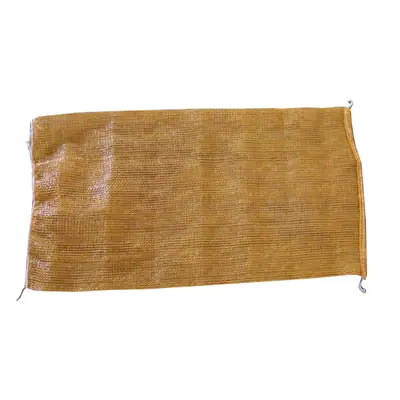
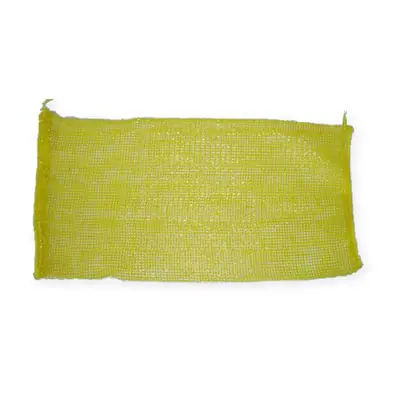
Red mesh bags are the most common for red and yellow onions because they make the bulbs look richer. White, purple or yellow bags are used for white onions, garlic or to distinguish grades.