Key takeaways
- Valve bags are filled through a corner sleeve and close themselves — ideal for automatic packers and fine powders.
- Open-mouth bags are filled from the top and sewn or heat-sealed — flexible, cheaper tooling, suit granules and manual lines.
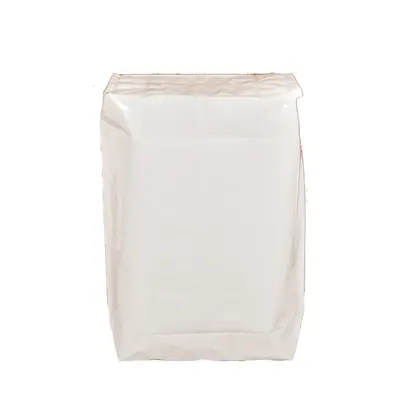
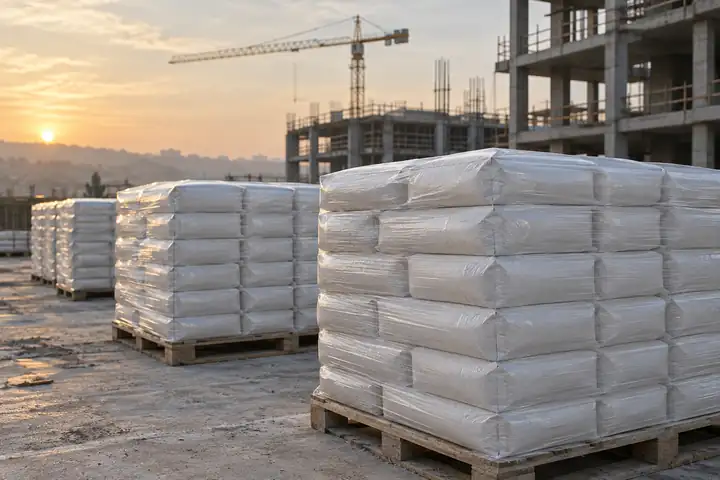
- Block-bottom valve bags stack like bricks, cutting pallet failures and warehouse space.
- Pick inner valves for cost, outer / heat-seal valves for the tightest dust control.
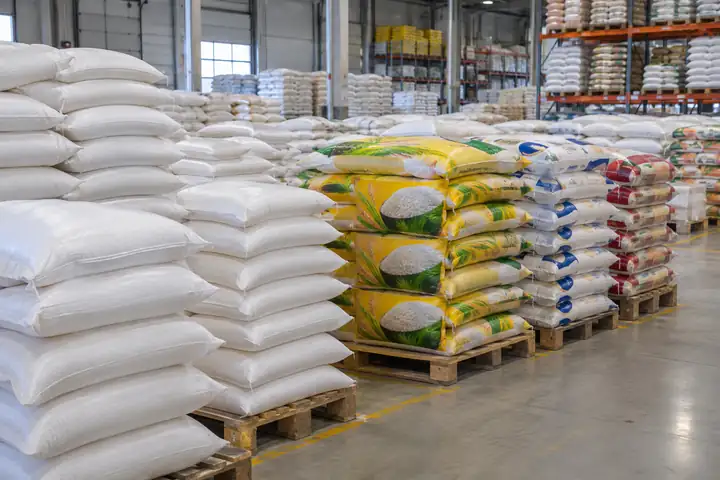
Cement, tile adhesive, putty, gypsum, titanium dioxide, flour and many chemicals are sold in 20–50 kg sacks. The first decision when specifying those sacks is whether they should be valve bags or open-mouth bags. The answer depends mostly on your filling equipment and how dusty your product is.
How a valve bag works
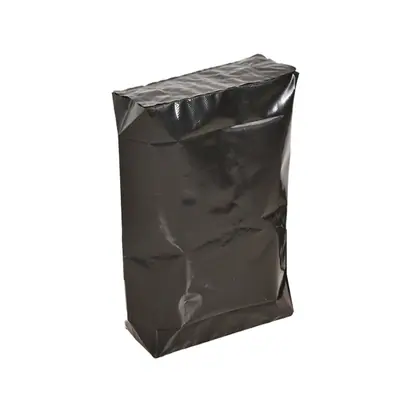
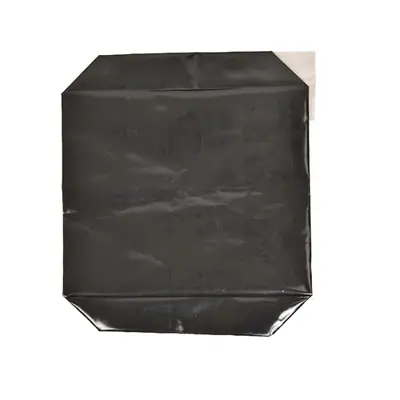
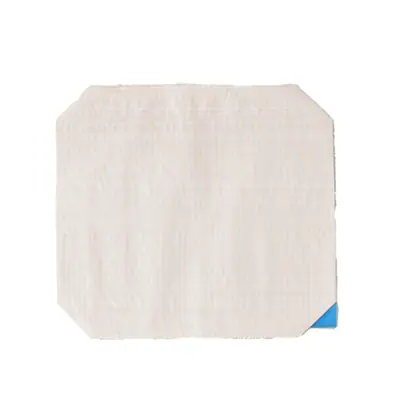
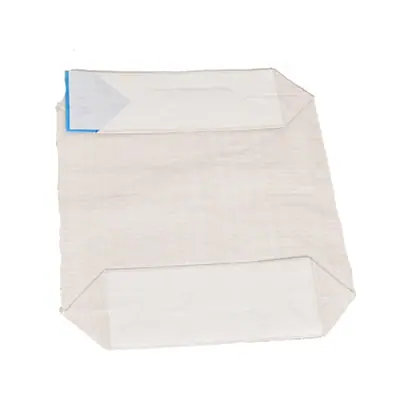
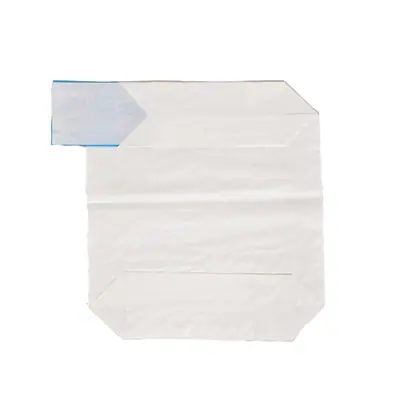
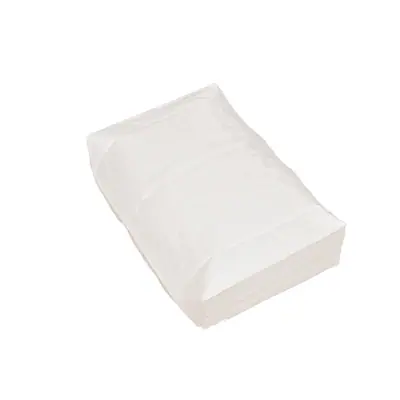
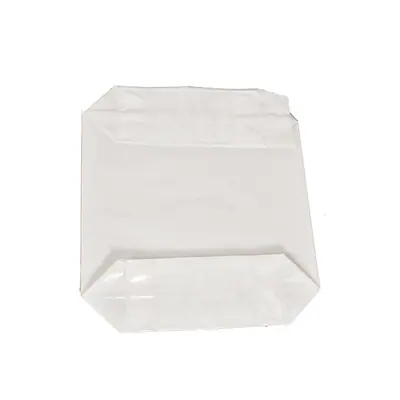
A valve bag is a closed sack — usually with a square block bottom at both ends — with a small sleeve (the valve) in one top corner. The packer's spout enters the valve, the bag fills, and when it is pulled off the spout the internal pressure of the product folds the sleeve shut. No sewing, no separate closing station.
How an open-mouth bag works
An open-mouth bag has one end already closed (sewn, folded or heat-sealed) and the other open. It is filled from above and then closed by sewing (often with crepe tape), heat sealing or pinch-bottom adhesive.
Side-by-side comparison
| Factor | Valve bag | Open-mouth bag |
|---|---|---|
| Filling equipment | Valve packer (rotary or inline) | Open-mouth filler + sewing or sealing |
| Filling speed | Very high on rotary packers | Moderate to high |
| Dust control | Excellent, especially with outer or heat-seal valves | Good when sealed, weaker when sewn |
| Shape on pallet | Square brick shape, very stable stacks | Pillow shape unless gusseted |
| Best products | Cement, mortar, putty, gypsum, fine chemicals, flour | Granules, grain, feed, fertiliser, salt |
| Bag cost | Slightly higher (more converting) | Lower |
Inner valve, outer valve or heat-seal valve?
- Inner (internal) valve: the sleeve sits inside the bag and is closed by product pressure. Economical and fast; suitable for most cement and mortar.
- Outer (external / extended) valve: the sleeve protrudes slightly so it can be tucked in or folded after filling, giving a tighter closure for very fine powders.
- Heat-seal (sealable) valve: a coated or laminated sleeve that is sealed by heat or ultrasound after filling. This gives the cleanest, most moisture-resistant closure — preferred for premium products and export. See our Heavy Duty Heat Seal Bottom Gusset Bag Valve Pocket 25KG.
Fabric choices for valve bags
Most industrial valve bags are made from woven polypropylene at 70–100 g/m², then:
- PE-coated to stop sifting and add moisture resistance;
- BOPP-laminated for high-quality printing and better water resistance;
- Kraft-paper laminated for a paper look with plastic strength;
- micro-perforated so air escapes during fast filling without letting powder out.
Woven PP valve bags are far more tear-resistant than multiwall paper sacks. They survive rough handling and rain on building sites, which reduces breakage claims.
When to choose a valve bag
- You run, or plan to buy, a valve packer.
- Your product is a fine, dusty powder.
- You want square, stable pallets for long-distance shipping.
- You need a clean, tamper-evident closure without thread.
When to choose an open-mouth bag
- You fill granules or coarse products (grain, feed pellets, fertiliser prills).
- You fill by hand or on a simple net-weigher with a sewing head.
- You want the lowest bag cost and flexibility to change sizes quickly.
Sizing a 25 kg or 50 kg valve bag
Valve bag dimensions are defined by width (W), length (L) and bottom width (B), plus valve width. As a starting point, 25 kg cement commonly uses around 40–50 cm width with a 10–12 cm block bottom; 50 kg bags are larger in all dimensions. Because bulk density and packer spout diameter vary, we confirm exact sizes from your packer model and a trial fill.
Explore our Valve Bags or the coated, laminated Custom Logo Square Bottom Laminated PP Woven Waterproof for cement packing.
Frequently asked questions
Can valve bags be filled by hand?
Yes, with a simple impeller or auger valve filler, but their main advantage — speed and dust control — comes from automatic valve packers.
Are woven PP valve bags better than paper cement sacks?
They are much stronger and water-resistant, so breakage and rain damage drop sharply. Paper sacks breathe more easily, but micro-perforated woven bags close most of that gap.
What valve width do I need?
Valve width must match your packer's filling spout, typically with a few millimetres of clearance. Send us the spout diameter or packer model.
Do you print valve bags?
Yes — from simple one- or two-colour prints on coated fabric to photographic gravure print on BOPP-laminated bags.