Key takeaways
- Cement is packed in multiwall paper sacks, PP woven sacks or laminated block-bottom PP valve bags, and moved in bulk by FIBC bulk bags or tankers.
- Paper suits automated lines and retail presentation; PP woven wins on breakage, humidity and outdoor storage.
- Block-bottom valve bags combine woven strength with brick-like stacking and are now common in many markets.
- Lime, mortar and mason sand use the same families, sized by bulk density and fill weight.
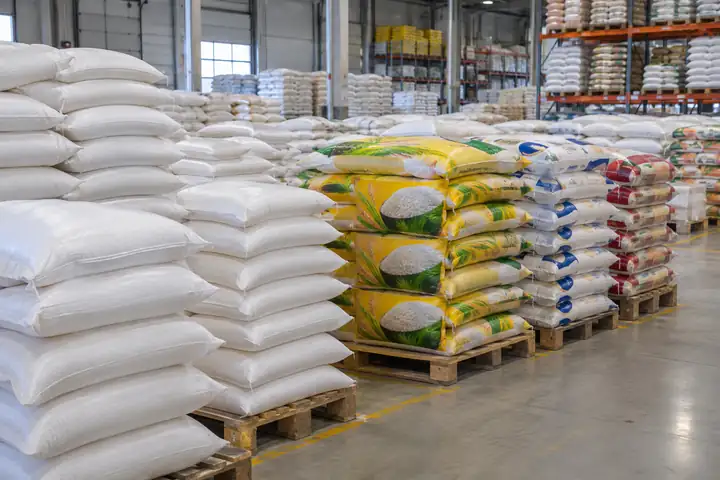
A cement bag is almost always a valve sack: a closed bag filled through a sleeve in one corner by a packing machine, then sealed by the pressure of the cement itself or by heat. The three main types are multiwall paper sacks, polypropylene (PP) woven sacks and laminated block-bottom PP valve bags, each typically holding 25 kg, 40–50 kg or, in the US, 94 lb. For volumes above a pallet, cement moves in 1–2 tonne bulk bags or by tanker instead.
This guide is for cement plants, grinding stations, dry-mix producers and distributors choosing packaging. If you are deciding between valve and open-mouth formats, start with our valve bag vs open-mouth bag comparison; if you are choosing a packer, see our valve bag filling machine guide.
What makes cement hard to pack?
Cement is a demanding product for any sack:
- It is very fine. Particles are mostly under 0.1 mm, so it sifts through loose seams and needle holes.
- It is filled hot and full of air. Cement can leave the mill and silo warm, and fluidizing air enters the bag with the powder. The bag must let that air escape quickly without leaking product.
- It is heavy for its size. Loose cement has a bulk density of roughly 1.1–1.4 t/m³, so a 50 kg bag is compact but stresses seams and the valve corner.
- It reacts with moisture. Humidity causes lumps and lost strength, so storage protection matters.
- It is handled roughly. Bags are dropped, slid on conveyors, stacked eight to ten layers high and stored outdoors on site.
Every bag design is a trade-off between venting (letting air out) and barrier (keeping moisture and dust in).
Paper cement bag: multiwall kraft sacks
The traditional paper cement bag is a 2- or 3-ply multiwall sack of sack-kraft paper, typically 70–90 g/m² per ply, made as a pasted valve bag with a block (flat, rectangular) bottom.
Strengths - Porous paper vents air rapidly, allowing fast filling on high-speed rotary packers. - Excellent print surface for retail branding. - Clean, square stacking. - Recyclable as paper where collection exists (film plies and cement residue can limit this).
Weaknesses - Higher breakage in rough handling and during transport. - Weak when wet; rain-soaked paper sacks fail quickly on open sites. - Moisture protection needs an extra film ply, which reduces venting.
Paper sacks are covered in depth in our multiwall paper bags guide.
PP woven cement bag
A PP woven cement bag is made from flat polypropylene tapes woven into fabric, usually around 60–90 g/m², often coated or laminated with a thin PP layer and micro-perforated so it can still vent. Many markets in Asia, Africa, the Middle East and Latin America standardized on woven sacks for 50 kg cement.
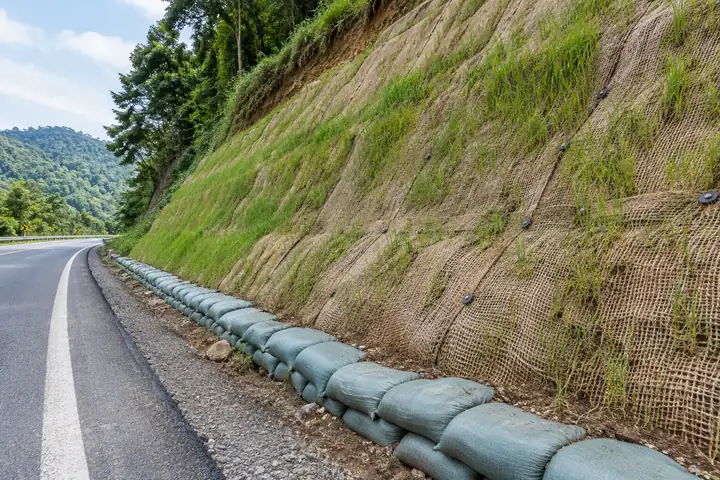
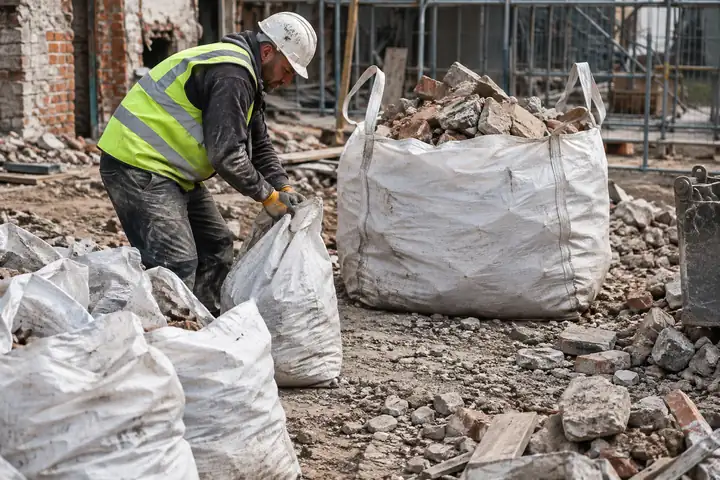
Strengths - Very high tear and drop resistance; breakage rates are typically far lower than for paper. - Tolerates humidity and short-term rain. - Lower material weight per bag than an equivalent multiwall paper sack in many designs. - Can be reused by end users (for sand, rubble or as sandbags), which is a mixed blessing for brand control.
Weaknesses - Plain, sewn-bottom woven sacks form "pillows" rather than bricks, so pallets are less stable. - Uncoated fabric can sift fine cement; coated fabric needs micro-perforation for venting. - Polypropylene degrades in sunlight unless UV-stabilized.
Block bottom valve bag: laminated woven PP
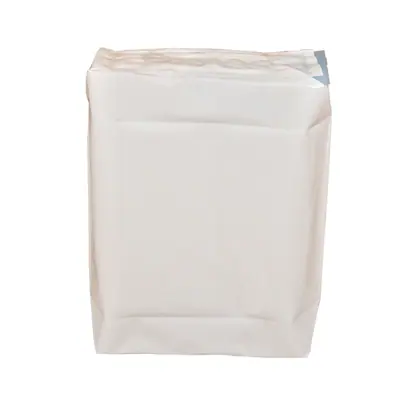
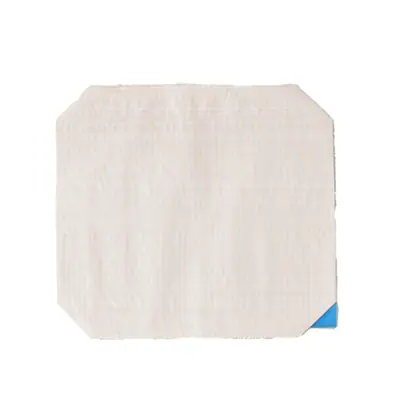
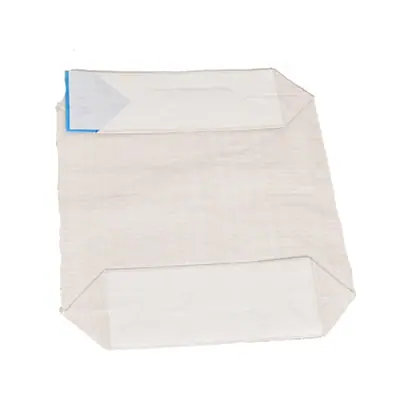
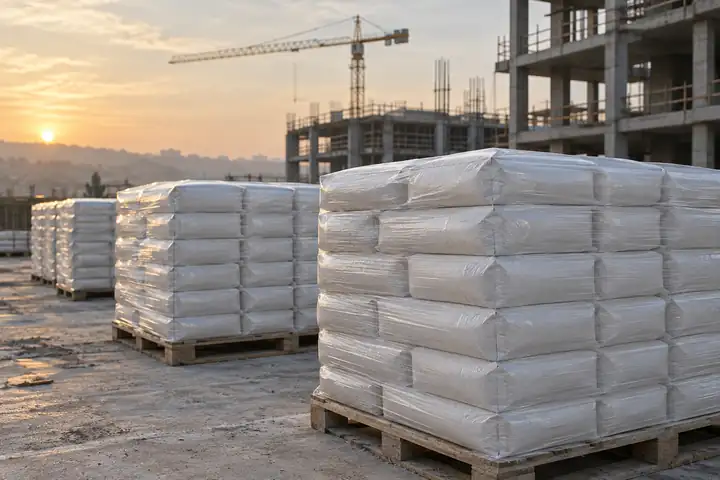
The block bottom valve bag (sometimes called a square-bottom or brick bag) is made from coated woven PP fabric whose ends are folded into rectangular bottoms and heat-welded, not sewn or glued. A valve sleeve is formed in one corner. It combines the strength of woven fabric with the shape of a paper sack. Our Custom Logo Square Bottom Laminated PP Woven Waterproof is this type.
Why plants switch to it: - Brick-shaped stacking: pallets are tighter and more stable, and trucks are loaded more efficiently. - No needle holes: welded bottoms eliminate sifting through stitching. - Low breakage: woven fabric survives drops and forklift handling. - Good print: the laminated surface takes multi-color printing. - Weather resistance: better than paper for outdoor storage, especially with UV stabilization.
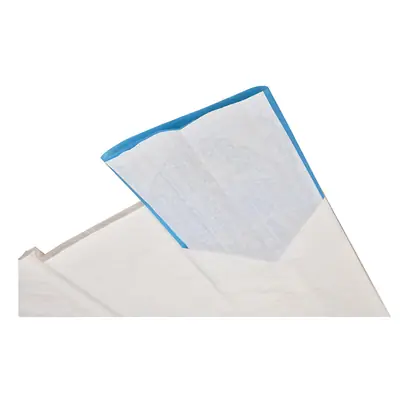
They require a packer and bag applicator compatible with the format, and a correctly sized valve. A paper-laminated woven valve sack, such as our Handmade PP Laminated Kraft Paper Valve Bag 50kg, offers a kraft-paper outer look with woven strength underneath.
Cement sack comparison table
| Property | Multiwall paper | PP woven (sewn) | Block-bottom woven PP | Paper-laminated woven |
|---|---|---|---|---|
| Typical fill | 25–50 kg / 94 lb | 25–50 kg | 20–50 kg | 25–50 kg |
| Typical material | 2–3 plies × 70–90 g/m² kraft | 60–90 g/m² woven, often coated | 60–90 g/m² woven + coating | kraft paper laminated to woven PP |
| Venting during filling | Excellent | Good (uncoated) / needs micro-perf (coated) | Needs micro-perforation | Needs micro-perforation |
| Drop and handling breakage | Higher | Low | Low | Low |
| Humidity / rain resistance | Low unless film ply | Good | Very good | Good |
| Pallet stability | Very good (block shape) | Fair (pillow shape) | Very good (block shape) | Good–very good |
| Print quality | Very good | Basic flexo | Good | Very good |
| End-of-life | Paper recycling | PP recycling (code 5) | PP recycling (code 5) | Mixed materials |
Values are typical industry ranges; final specification depends on fill weight, packer and climate.
How to choose a cement bag
Ask four questions:
- What is your packer? High-speed rotary impeller packers suit paper and well-vented woven bags; check the spout diameter and bag applicator before changing format. See the filling machine guide.
- How rough is your distribution? Long truck routes, manual unloading and rural retail favor woven or block-bottom woven bags.
- Where is the cement stored? Open-air depots in humid or rainy climates need coated or laminated woven bags with UV protection.
- What does your market expect? Retail buyers in some countries associate paper with quality; in others woven is the norm. Weight regulations (for example, manual-handling limits that push 50 kg down to 25 kg) also shape the choice.
Cement in bulk bags: super sack cement and bulk portland cement
When customers buy by the tonne — precast plants, ready-mix batching in remote areas, block makers, export cargo — small sacks are slow and wasteful. Two alternatives:
- Bulk tankers and silos for bulk portland cement moved by road or rail to customers with storage silos.
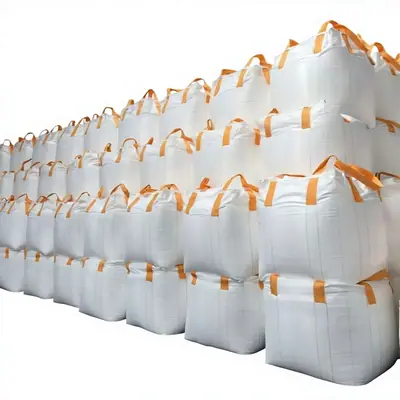
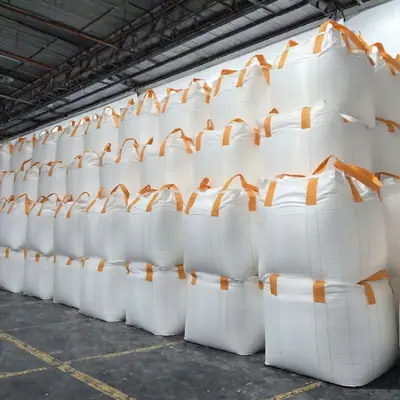
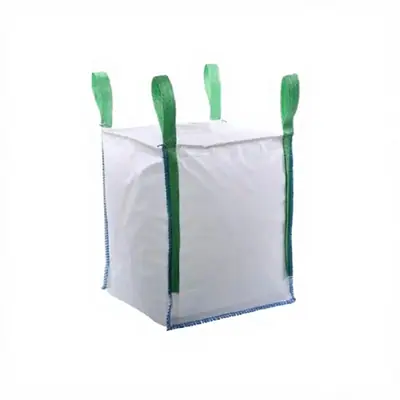
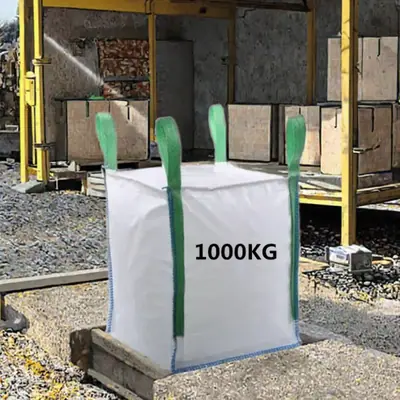
- FIBC bulk bags ("super sack cement"), typically 1,000–2,000 kg, with a filling spout on top and a discharge spout at the bottom, often coated with a liner to keep out moisture. One 1.5 t bag replaces thirty 50 kg sacks.
When packing cement in bulk bags, specify coated fabric, a 5:1 safety factor for single-trip use, sift-proof seams and spout sizes that match your filling and discharge stations. Our Super Sack PP Woven Flat Bottom Jumbo FIBC Bag Cement is designed for cement and similar powders; see the FIBC Bulk Bags range and our super sacks guide for the fundamentals.
Lime bags, mortar bags and mason sand bags
The same bag families serve cement's neighbors:
| Product | Typical pack | Bag notes |
|---|---|---|
| Hydrated lime | 25 kg; commonly 50 lb in the US | Very fine and light (bulk density often around 0.4–0.6 t/m³), so bags are larger for the weight; valve bags with good venting |
| Quicklime | 25–50 kg sacks or 1 t bulk bags | Reacts with water and heat; moisture barrier and dry storage essential |
| Mortar and dry-mix (tile adhesive, render, plaster) | 20–25 kg; 60–80 lb in the US | Valve bags, often block-bottom, with strong retail print |
| Mason sand and play sand | 25 kg; 50 lb in the US; 1 t bulk bags | Open-mouth woven sacks or FIBC; abrasion-resistant, often uncoated |
Lime is lighter and fluffier than cement, so a 25 kg lime bag is noticeably larger than a 25 kg cement bag — calculate bag size from bulk density, not from a cement template. Breathable tubular FIBC such as our 1000kg PP Tubular Jumbo Ton Bag Breathable Load-Bearing are used for lime in bulk.
For how mortar bags translate into blocks laid, see how many bags of concrete or mortar you need; for bag weights and pallet counts, see our concrete bag weights guide.
Choosing a cement bags manufacturer
Whether you buy from a local converter or import, compare suppliers on:
- Fabric and coating specification in writing: g/m², tape denier, coating weight, UV level.
- Valve design and size matched to your packer spout.
- Venting method (micro-perforation pattern) proven on your product.
- Print quality and color matching against approved artwork.
- Consistency across lots — the packer is sensitive to small dimensional changes.
- Trial support: sample bags run on your line before a full order.
EGP is a woven-bag and FIBC factory in Yantai, Shandong, with 24 years as an Alibaba.com supplier, about 110 staff and a 3,500 m² facility. We make block-bottom woven, paper-laminated valve sacks and bulk bags to your drawing and print; browse the Valve Bags range and our importing checklist, then send your packer details and fill weight through our contact page.
Frequently asked questions
What is a cement sack made of?
Most cement sacks are either multiwall kraft paper (two or three paper plies) or woven polypropylene fabric, often coated or laminated. Block-bottom valve bags are woven PP with heat-welded ends, and some designs laminate kraft paper over woven PP.
Are PP woven cement bags better than paper cement bags?
PP woven bags break far less often and tolerate humidity and rain better, which suits rough distribution and outdoor storage. Paper vents faster on high-speed packers and gives a premium print surface, so the better choice depends on your line and market.
What is a block bottom valve bag?
It is a valve sack with flat, rectangular ends so it stacks like a brick. Woven versions have heat-welded bottoms instead of stitching, which prevents sifting and makes pallets more stable.
Can cement be stored in bulk bags?
Yes. Coated FIBC bulk bags of 1–2 tonnes, usually with a liner and spouts for filling and discharge, are widely used for cement. Store them dry, off the ground and protected from rain, and keep within the bag's rated safe working load.
What size bag do I need for 25 kg of lime?
Larger than for 25 kg of cement, because hydrated lime is much lighter per liter. Calculate the volume from your measured bulk density, then add headroom for the valve and air, and confirm with a trial fill.