Key takeaways
- Woven polypropylene bags are sacks sewn from fabric woven out of stretched PP tapes; they carry 5–50 kg (and up to 2 t as bulk bags) at very low weight.
- Typical 25 kg sacks use 60–80 g/m² fabric; 50 kg sacks 80–100 g/m².
- Options include PE coating, LDPE liners, BOPP lamination, UV stabilization, gussets, valves and up to multi-color printing.
- For bulk orders, give the fill weight, product, size, GSM, closures and printing so suppliers can quote like-for-like.
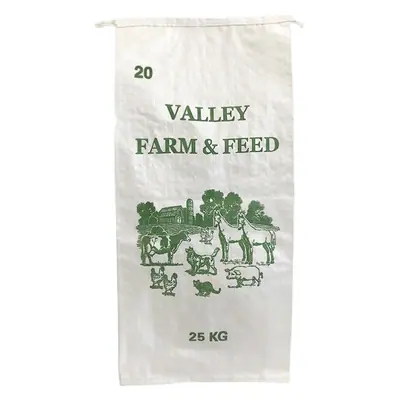
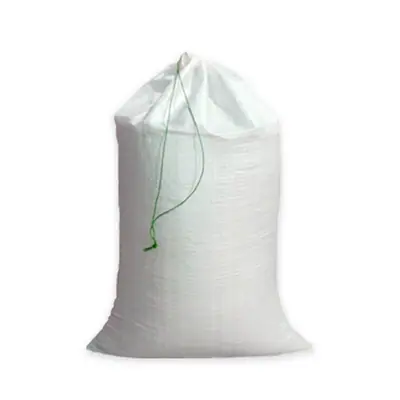
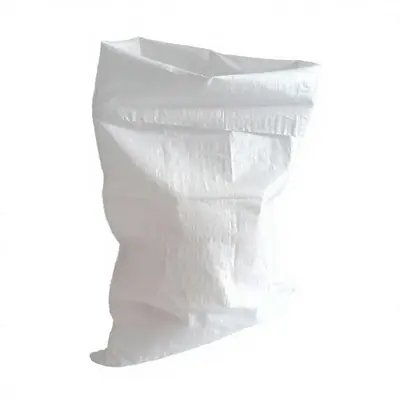
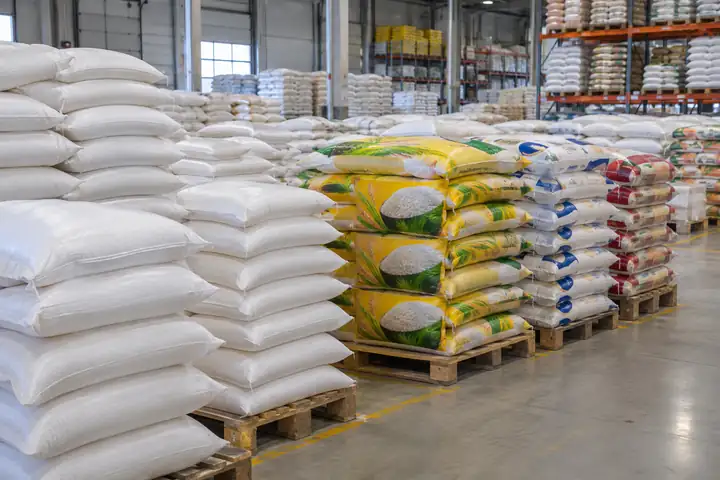
Woven polypropylene bags (PP woven bags, also called poly woven bags) are sacks made from fabric woven out of narrow, stretched polypropylene tapes, then cut, printed and sewn. They are the most common industrial sack in the world because they carry 5–50 kg of grain, feed, sugar, fertilizer, sand, cement or chemicals while weighing only around 50–150 g each, and they resist tearing, moisture and rot.
This guide covers what woven polypropylene bags are made of, the main types of sacks, standard sizes and fabric weights, customization options, and how to buy polypropylene bags wholesale.
What is a sack made of?
Historically, sacks were made of jute (burlap/hessian), cotton or multiwall paper. Today most industrial bags and sacks are made of plastic:
| Sack material | Typical use today | Strengths | Weaknesses |
|---|---|---|---|
| Woven polypropylene | Grain, feed, sugar, fertilizer, sand, minerals | Strong, light, cheap, rot-proof | Not waterproof unless coated or lined |
| BOPP-laminated woven PP | Branded feed, pet food, rice, seed | Photo-quality print, moisture resistance | Higher cost |
| Multiwall paper | Cement, flour, food powders | Prints well, good for valve filling | Weak when wet, tears more easily |
| Paper-poly composite | Premium seed, feed, specialty products | Paper look with woven strength | Harder to recycle |
| PE film (FFS) | Polymer pellets, fertilizer, salt | Waterproof, heat-sealed | Slippery stacks, puncture risk |
| Leno mesh (PP) | Onions, potatoes, citrus, firewood | Ventilation | Not for small particles |
| Jute / burlap | Coffee, cocoa, specialty and decorative | Natural, breathable | Heavier, costlier, can shed fibers |
For a detailed side-by-side of the first three, see PP woven vs BOPP vs paper-poly.
How are woven polypropylene bags made?
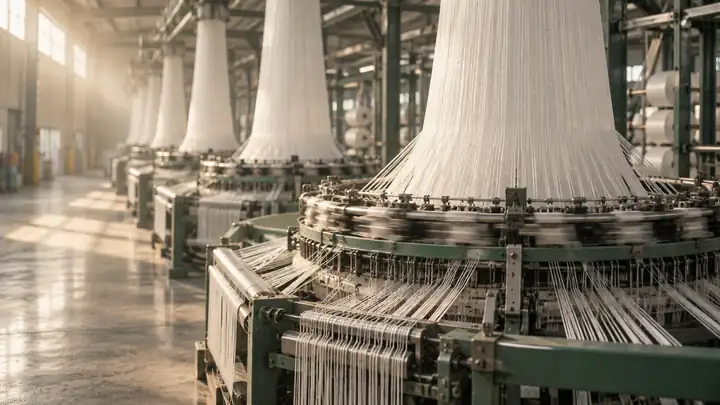
In outline: PP resin is extruded into film, slit into tapes and stretched; the tapes are woven into tubular fabric on circular looms; the fabric is optionally coated or laminated; then printed, cut and sewn. The weaving stage is shown in the cover image. The process is similar to bulk bag production, described step by step in how FIBC bulk bags are made. For what makes PP suitable, see what is polypropylene.
Types of sacks and PP bags
By construction
- Plain (uncoated) woven bags: breathable; for grain, beans, feed, sand and products that should not sweat.
- Coated (laminated) woven bags: a thin PP or PE coating seals the weave against dust and moisture; common for fertilizer, cement, salt and chemicals.
- Lined woven bags: a loose or stitched LDPE liner inside for fully moisture-sensitive or fine products (see polypropylene vs polyethylene).
- BOPP laminated bags: a reverse-printed BOPP film laminated outside for retail branding.
- Mesh (leno) bags: open weave for produce (see the leno mesh bags guide).
By shape and closure
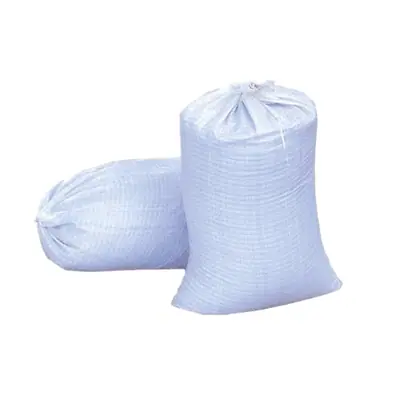
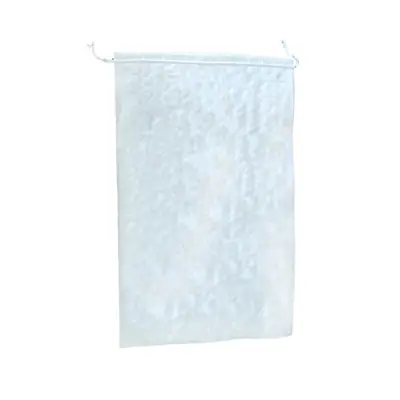
- Open-mouth bags with a hemmed or cut top, closed by sewing, tying or a drawstring.
- Valve bags filled through a sleeve and self-closing, for powders on packing lines (compared in valve bags vs open-mouth bags).
- Gusseted bags (side or bottom gussets) that stand square and palletize better.
- Block-bottom bags that form a brick shape when filled.
By size
- Small and standard sacks: 5–50 kg (10–110 lb).
- Large polypropylene bags: 50–100 kg, or oversized bags for light, bulky goods such as cotton, wool, recycling or textiles.
- FIBC bulk bags: 500–2,000 kg; see how to choose an FIBC bulk bag.
Standard sizes of woven polypropylene bags
Sizes vary by product density. These are common starting points (flat width × length):
| Fill weight | Typical size (cm) | Typical size (in) | Fabric weight | Typical products |
|---|---|---|---|---|
| 5–10 kg (10–22 lb) | 35 × 55 to 40 × 60 | 14 × 22 to 16 × 24 | 50–60 g/m² | Rice, flour, pet food, seed |
| 25 kg (55 lb) | 50 × 80 | 20 × 31 | 60–80 g/m² | Rice, sugar, feed, chemicals |
| 50 lb (22.7 kg) | 45 × 80 to 50 × 85 | 18 × 31 to 20 × 33 | 70–80 g/m² | Animal feed, sand, de-icing salt |
| 50 kg (110 lb) | 55 × 95 to 60 × 100 | 22 × 37 to 24 × 39 | 80–100 g/m² | Grain, sugar, fertilizer, corn |
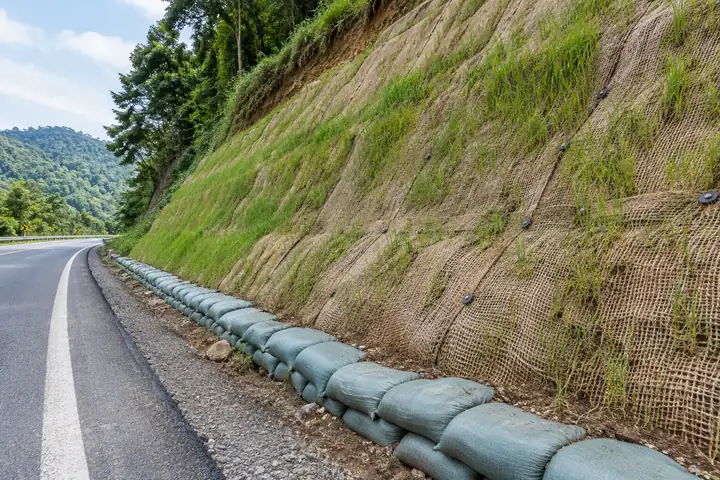
| Sandbag | 36 × 66 | 14 × 26 | 60–90 g/m², UV | Flood and construction |
| Large / bulky | 70 × 110 to 90 × 130 | 28 × 43 to 35 × 51 | 90–120 g/m² | Cotton, wool, waste, light goods |
Worked example: how much does a woven bag weigh?
For a 60 × 100 cm sack in 90 g/m² fabric:
- Fabric area (two layers) = 2 × 0.60 m × 1.00 m = 1.2 m²
- Add about 5–8% for hem and bottom seam: ≈ 1.28 m²
- Bag weight ≈ 1.28 × 90 g = about 115 g, before any liner or lamination.
That 115 g bag carrying 50 kg is a load-to-tare ratio of over 400:1, the main reason woven PP replaced jute.
Checking the size for your product
Fill volume = fill weight ÷ bulk density. Sugar at about 0.85 t/m³ needs about 59 liters for 50 kg; feed pellets at about 0.65 t/m³ need about 77 liters, so the same 50 kg needs a longer or wider bag. Always test-fill a sample.
Customizing polypropylene bags
Custom polypropylene bags are specified by combining the options below:
| Option | Choices | Why |
|---|---|---|
| Fabric color | White, transparent, black, colored | Branding, UV, product visibility |
| UV stabilization | None, or rated for months of outdoor exposure | Sandbags, outdoor storage |
| Coating | Uncoated; PP or PE coated | Dust and moisture resistance |
| Liner | None; loose or stitched LDPE | Moisture barrier, fine powders |
| Lamination | BOPP (gloss or matte), paper | Retail graphics, appearance |
| Top | Hemmed, raw cut, drawstring, valve | Filling and closing method |
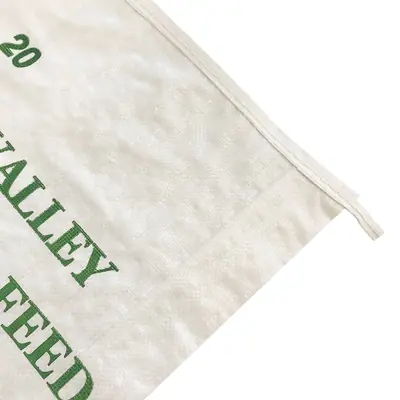
| Bottom | Single fold single stitch, double fold double stitch, heat-sealed | Strength and sift-proofing |
| Gusset | None, side, bottom | Stacking and shape |
| Printing | Flexo 1–6 colors on fabric; rotogravure on BOPP | Brand and regulatory text |
| Extras | Handles, anti-slip coating, micro-perforation | Handling and air release |
Examples from our range: White PP Woven Bag Sack 50 kg for Corn Flour Bean for food staples, Custom Printed PP Woven Bag with Tear Resistant Fabric for branded rice and corn, Industrial PP Woven Bag Tear-Resistant Fabric High for minerals and industrial goods, and Heavy Duty Moisture Proof PP Woven Bag with Reinforced for moisture-sensitive heavy loads.
Buying polypropylene bags wholesale
What affects price
- Fabric weight (GSM) and size: polypropylene resin is the largest cost, so price closely tracks bag weight.
- Coating, liner and lamination: each adds material and a process step.
- Printing: number of colors and plate/cylinder costs (a one-time charge per design).
- Order quantity: polypropylene bags in bulk are typically quoted per thousand pieces, with minimum order quantities to cover setup.
- Packing: bales vs cartons, pallets, and container fill.
How bags are packed and shipped
Woven sacks are usually compressed into bales of 500 or 1,000 pieces wrapped in woven fabric or film. Because they are dense and light, a 40-foot container carries a very large number of standard sacks; the exact count depends on bag size and weight, so ask the supplier for a loading plan.
Choosing polypropylene bags manufacturers
When comparing polypropylene bags manufacturers, ask:
- Do they extrude tapes and weave in-house, or buy fabric?
- Can they provide samples at the quoted GSM and size?
- What are the tolerances on GSM, size and print registration?
- Do they offer pre-shipment inspection, and in what format?
- What are the realistic lead times and on-time record?
Our checklist for importing woven bags from China covers inspection, Incoterms and documentation in detail.
About EGP
Yantai Evergreen Packaging (EGP) is a woven bag manufacturer in Yantai, Shandong, with 24 years as an Alibaba.com supplier, about 110 staff and a 3,500 m² facility. Our store holds a 4.9/5 rating, we typically respond within 8 hours, and our on-time dispatch rate is 90.9%. We supply importers, distributors, mills and agribusinesses with woven plastic bags in standard and custom specifications. Browse PP Woven Sacks and all products, or request a quote.
Frequently asked questions
What are woven polypropylene bags used for?
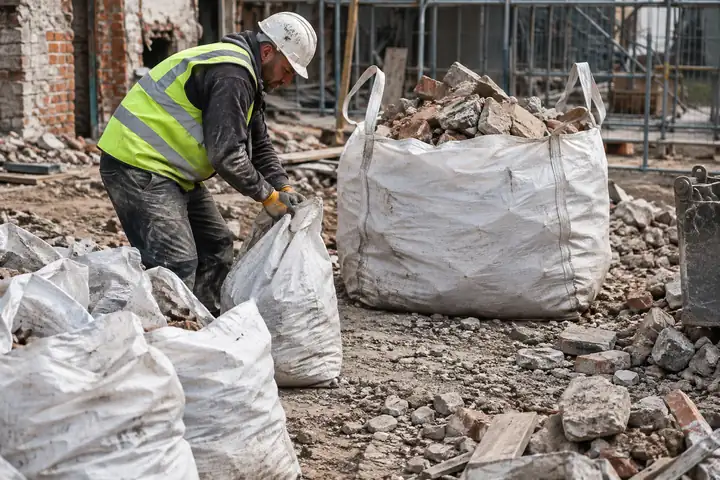
Woven polypropylene bags are used to pack and transport dry bulk goods such as grain, rice, flour, sugar, animal feed, seed, fertilizer, salt, sand, cement, minerals and chemicals, usually in 10–50 kg sizes. They are also used as sandbags, rubble bags and storage sacks.
Are woven polypropylene bags waterproof?
Plain woven polypropylene bags are water-resistant but not waterproof, because water can pass through the gaps in the weave. Bags with a PP or PE coating, BOPP lamination or an LDPE liner provide much better moisture protection.
How strong are PP woven bags?
A properly specified PP woven sack safely carries its rated fill weight, typically 25–50 kg, with a margin for handling and stacking. Strength depends on fabric GSM, tape quality, weave density and especially the bottom seam, so specify a double-fold, double-stitched bottom for heavy or rough-handled loads.
What size is a 50 kg polypropylene bag?
A 50 kg woven polypropylene bag is commonly around 55 × 95 cm to 60 × 100 cm (22 × 37 to 24 × 39 in), but the correct size depends on the bulk density of the product. Light, bulky products need a larger bag than dense ones like sugar or sand.
Are polypropylene bags recyclable?
Yes. Woven polypropylene bags are made from PP, recycling code 5, and can be recycled where industrial or agricultural PP collection exists. Single-material bags without PE liners or paper lamination are easiest to recycle, and many sacks can be reused several times first.
What is the minimum order for custom polypropylene bags?
Minimum order quantities depend on the manufacturer, bag size and printing method, because each printed design requires plates or cylinders and a production setup. Ask suppliers for their MOQ for your exact specification, and whether plain stock bags are available for smaller orders.
Can you make custom printed bags with our logo?
Yes. Custom printed bags with your logo are made by flexo printing on woven PP (up to about 6 colours) or by reverse-printed BOPP lamination for photo-quality graphics. Custom bags with logo printing need a minimum order per design, so they suit brands, distributors and growing businesses rather than one-off custom packaging for very small runs.